
From raw hide to hand-stitched heirloom — everything you need to understand leather, choose the right wallet, and buy with total confidence.
Begin The GuideWhat Is Leather?
Leather is a durable, flexible material created by tanning animal rawhide, transforming a perishable organic tissue into one of the most enduring materials known to craft. Tanning halts decomposition and binds the hide's collagen fibers, giving leather its signature strength, breathability, and ability to mold to its user over years of handling.
Why Leather Is Valuable
Genuine leather cannot be mass-produced overnight. Each hide is a unique natural material shaped by the animal's life, environment, and age, then refined through weeks of skilled tanning and finishing. That scarcity, combined with leather's unmatched combination of strength, patina, and tactile luxury, is why fine leather goods command a premium over synthetic alternatives.
Natural Leather vs Synthetic Leather
Genuine leather breathes, ages into a richer character, and can last decades with care. Synthetic "leather" — PU or PVC coated fabric — is manufactured to a uniform look, will not develop patina, and typically cracks or peels within a few years. Natural leather is an investment; synthetic leather is a disposable imitation.
The Modern Leather Industry & Environmental Impact
Modern tanneries increasingly use closed-loop water systems and vegetable-based tanning agents to reduce environmental impact, while leather itself — as a byproduct of the meat industry — makes use of material that would otherwise be discarded. Choosing full-grain leather goods built to last decades remains one of the most sustainable choices in accessories, since longevity reduces the churn of disposable goods.
How Leather Is Made
Nineteen deliberate stages transform a raw hide into finished leather — every one of them shaping the final texture, strength, and character of the material.
Every Leather Type, Explained
Twenty leathers, rated across luxury, durability, water resistance and softness — with honest pros, cons, and wallet suitability for each.
Leather Grades
Grade describes the overall quality tier a hide is sorted into after tanning — a critical, often overlooked factor in price and longevity.
Leather Thickness
Measured in millimeters, thickness determines how a wallet folds, feels, and holds up over years of daily use.
| Thickness | Flexibility | Strength | Luxury Feel | Best Wallet Use |
|---|
Leather Finishes
The finish is the final surface treatment — it dictates sheen, protection level, and how visible the leather's natural character remains.
Leather Textures
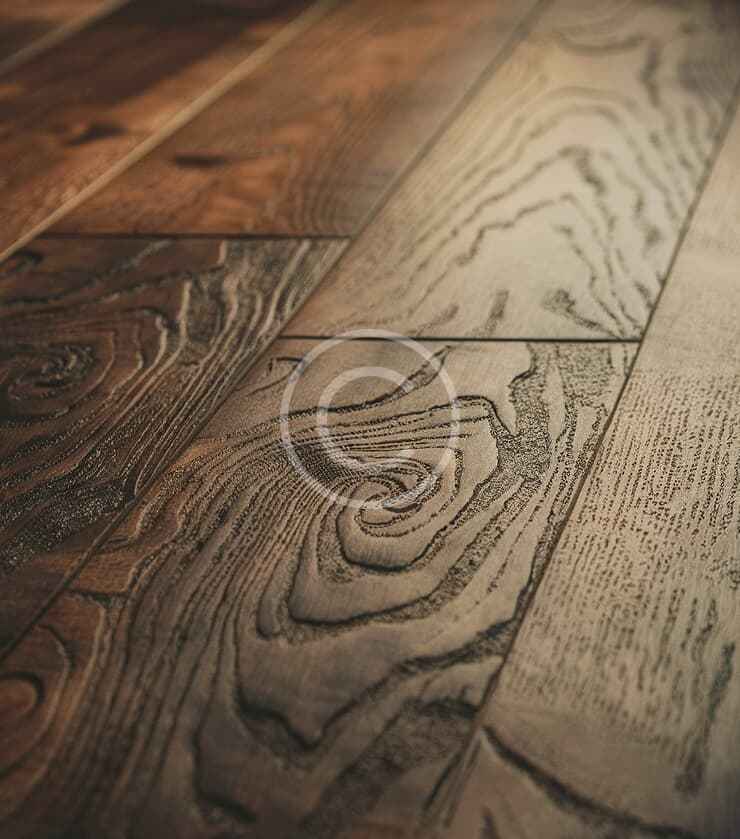
Texture is created through embossing, natural grain, or exotic pattern — it defines a wallet's visual identity at a glance.
Leather Wallet Types
Twelve wallet formats, each engineered around a different balance of capacity, size, and lifestyle.
How Professionals Check Quality
Fourteen checkpoints artisans and buyers use to separate genuine premium leather from imitation or low-grade material.
Wallet Stitching & Construction
Stitching is where craftsmanship becomes visible — the difference between a wallet that lasts a year and one that lasts a lifetime.
Leather Care
Proper care is what allows fine leather to age into something more beautiful than the day it was purchased.
The Buying Guide
Match your intent — budget, gifting, business, travel — to the right leather, construction, and wallet format.
Leather Comparison Table
A side-by-side look at how the most common wallet leathers stack up across the metrics that matter.
| Leather | Luxury | Softness | Durability | Price | Water Resist. | Maintenance | Wallet Quality | Longevity |
|---|
Frequently Asked Questions
Thirty detailed answers to the questions buyers ask most before choosing a leather wallet.
Choose Leather That Lasts a Lifetime
Now that you understand every hide, grade, finish, and stitch — choose your wallet with the confidence of a connoisseur.
Explore The Guide Again